
Get Piping Replacement
Piping replacement services involve local contractors updating or replacing outdated, damaged, or leaking pipes in residential or commercial properties to prevent water damage and improve plumbing reliability.
If property owners are considering piping replacement, they are likely exploring options to improve the safety, functionality, or longevity of their plumbing systems. Whether dealing with aging pipes, frequent leaks, or updates to meet current standards, finding experienced local contractors can help ensure the project is handled effectively. This page connects individuals with qualified service providers in the area who can assist with planning and executing piping replacement projects tailored to specific needs.
Comparing local contractors allows property owners to evaluate different approaches and solutions for their piping needs. It’s important to consider the practical aspects of the work, such as choosing the right materials and methods to suit the property’s infrastructure. Continuing to explore available options can help make informed decisions and find the right professionals to handle the project efficiently and reliably.
- Residential Piping Replacement - needed when aging or damaged pipes cause leaks or water pressure issues in homes.
- Commercial Piping Replacement - required for businesses experiencing pipe corrosion, leaks, or system upgrades.
- Emergency Pipe Replacement - necessary when sudden pipe bursts or failures threaten property or safety.
- Kitchen and Bathroom Pipe Replacement - needed during remodeling or when fixtures are affected by pipe deterioration.
- Underground Piping Replacement - essential for addressing leaks or damage in buried piping systems.
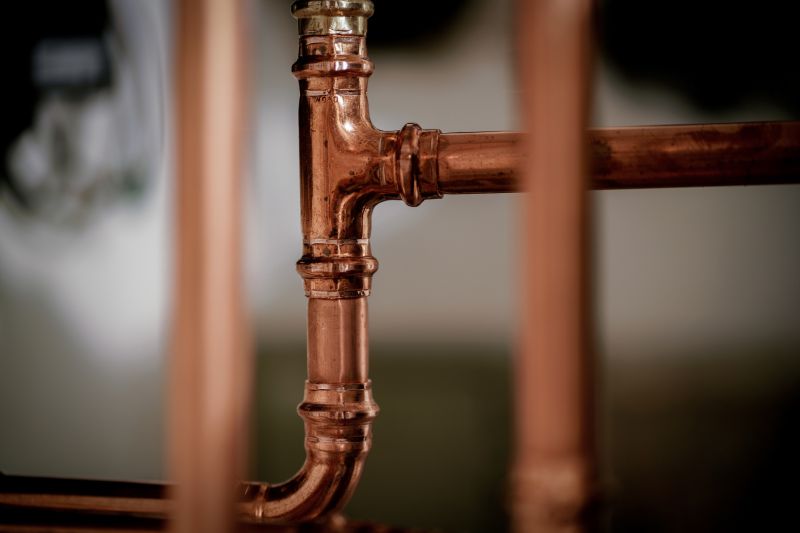
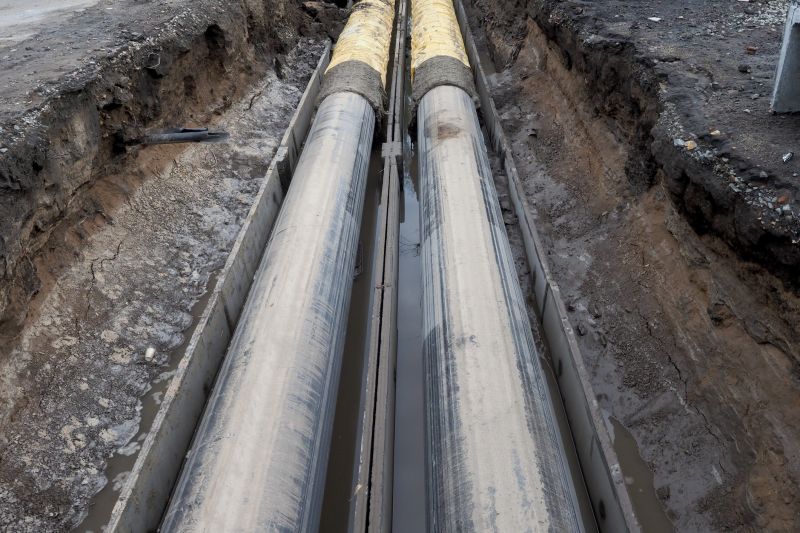
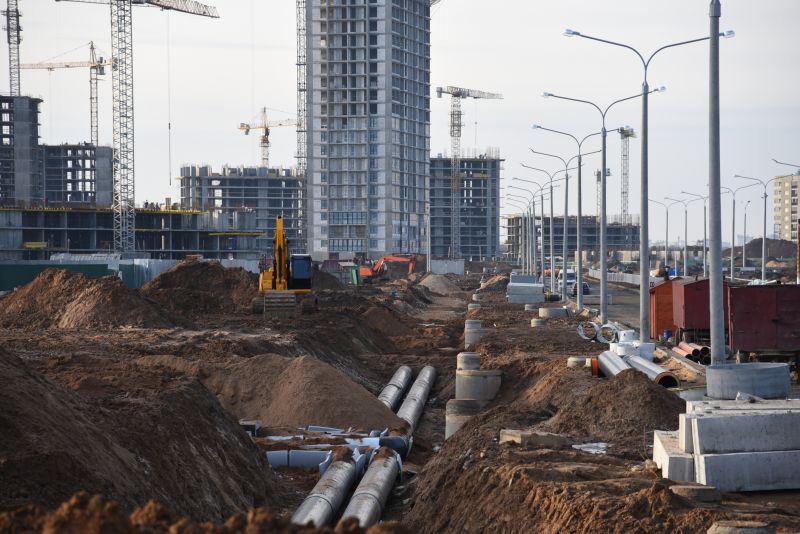
Piping replacement services involve removing outdated, damaged, or deteriorating pipes and installing new piping systems throughout a property. This process typically includes assessing the existing plumbing layout, selecting appropriate pipe materials, and carefully replacing old or compromised sections to ensure a reliable flow of water and waste. Professional service providers use specialized tools and techniques to minimize disruption and ensure the new pipes are properly fitted, helping to restore the plumbing system’s functionality and efficiency.
This service is essential for addressing a variety of plumbing problems, such as persistent leaks, frequent pipe bursts, low water pressure, or corrosion that compromises pipe integrity. Over time, pipes can become clogged, cracked, or corroded, leading to water damage, increased utility bills, or even health hazards from contaminated water. Replacing aging or damaged pipes can prevent costly repairs and help maintain a safe, functional plumbing system in the home or property.
Piping replacement is commonly needed in residential properties, including single-family homes, townhouses, and multi-unit apartment buildings. It is also often performed in commercial properties such as office buildings, retail spaces, and rental properties that have aging plumbing infrastructure. Properties with outdated pipe materials like galvanized steel or lead are more prone to issues and may benefit from replacement to meet modern standards and improve overall plumbing reliability.
Homeowners typically consider piping replacement when experiencing frequent plumbing problems, noticing water discoloration, or planning major renovations. Signs such as unexplained water bills, foul odors, or visible pipe corrosion can indicate the need for a professional assessment. Contacting experienced local contractors can help determine whether pipe replacement is necessary and ensure the work is completed efficiently, helping to prevent future plumbing issues and protect the property’s value.
The overview below groups typical Piping Replacement projects into broad ranges so you can see how smaller, mid-sized, and larger jobs often compare in your area.
In many markets, a large share of routine jobs stays in the lower and middle ranges, while only a smaller percentage of projects moves into the highest bands when the work is more complex or site conditions are harder than average.
Smaller Repairs - typical costs for minor piping repairs generally range from $250 to $600, covering routine fixes like leaks or small section replacements. Many common jobs fall within this middle range, making it a predictable expense for standard repairs.
Partial Replacement - replacing sections of piping or upgrading specific areas usually costs between $1,000 and $3,000, depending on the size of the project and pipe material. Larger, more complex partial replacements can push costs higher but are less common.
Full Pipe Replacement - complete piping system overhauls tend to range from $4,000 to $10,000 or more, especially for extensive or multi-story properties. Many projects in this category are more substantial but still fall within this typical range.
Large or Complex Projects - extensive piping replacements involving multiple systems or difficult access can reach $15,000 or higher, though these are less frequent. Local contractors can provide detailed estimates based on specific project needs.
Actual totals will depend on details like access to the work area, the scope of the project, and the materials selected, so use these as general starting points rather than exact figures.
Water Line Repairs - local contractors skilled in replacing and repairing water supply lines share similar planning and piping techniques as piping replacement services.
Gas Line Installation - professionals experienced in installing and replacing gas piping utilize comparable tools and safety protocols as those used in piping replacement projects.
Drain and Sewer Line Replacement - service providers handling sewer line upgrades employ similar excavation, piping, and planning skills as in piping replacement work.
Hydronic Heating System Installation - experts installing hydronic heating systems work with piping layouts and material handling akin to piping replacement services.
Fire Sprinkler System Installation - local pros installing fire sprinkler piping use similar planning, layout, and piping techniques as in general piping replacement projects.
Plumbing System Upgrades - contractors upgrading residential or commercial plumbing systems share skills in pipe routing and material selection similar to piping replacement services.
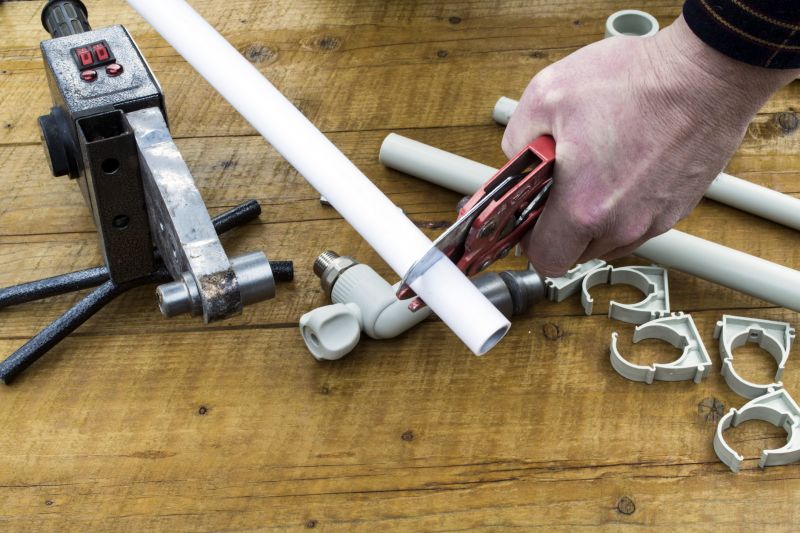
When comparing local contractors for a piping replacement, it’s important to consider their experience with similar projects. Homeowners should look for providers who have a proven track record of handling piping replacements in residential settings. An experienced professional is more likely to understand the nuances of different piping systems, identify potential issues early, and deliver a quality outcome. Asking for examples of past work or references from previous clients can help gauge a contractor’s familiarity with projects like yours and ensure they have the necessary expertise.
Clear written expectations are essential for a successful piping replacement. Homeowners should seek service providers who can provide detailed, written descriptions of the scope of work, materials to be used, and the overall process. This clarity helps prevent misunderstandings and ensures everyone is on the same page about what the project entails. When reviewing proposals or estimates, look for transparency and thoroughness, which can indicate professionalism and a commitment to meeting your needs effectively.
Reputable references and good communication are key factors in selecting a reliable local contractor. Service providers with positive references from previous clients demonstrate a history of satisfactory work and professionalism. Additionally, good communication-such as prompt responses to inquiries and willingness to answer questions-can make the process smoother and more predictable. While the site introduces homeowners to local options, it’s important to remember that it does not perform the work itself; instead, it helps connect homeowners with trusted local contractors who can handle the piping replacement efficiently and responsibly.
Property owners use Piping Replacement services for practical projects around their homes and businesses. This guide focuses on everyday jobs and straightforward project options.
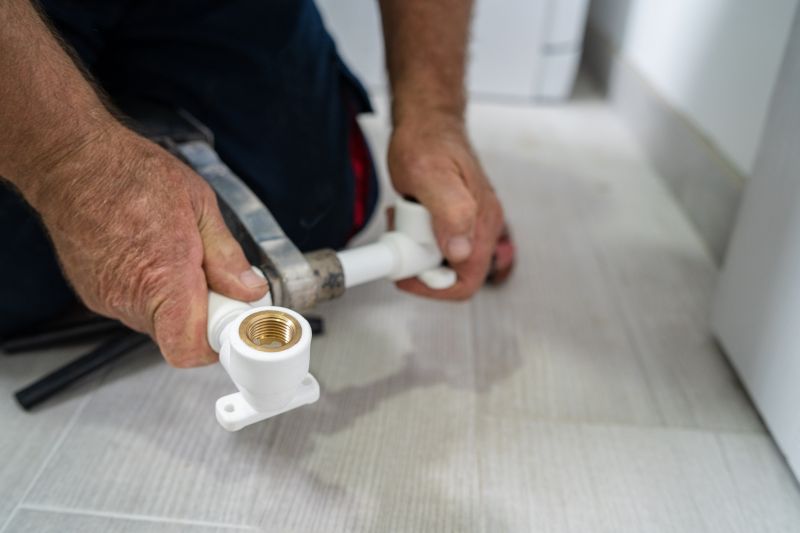
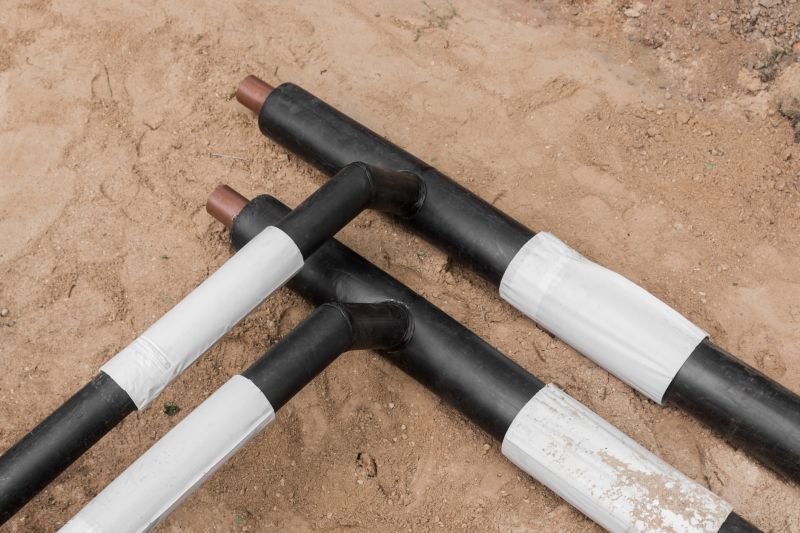
Piping replacement services are often needed when property owners notice leaks, reduced water pressure, or unexplained increases in utility bills. These issues can arise from aging pipes, corrosion, or damage caused by shifting soil or nearby construction. Local contractors can assess the condition of existing piping and recommend appropriate solutions to restore proper function, helping to prevent further water damage or costly repairs down the line.
In addition, property owners may seek piping replacement during renovations, remodeling projects, or when upgrading plumbing systems to meet modern standards. Whether replacing outdated materials or addressing wear and tear over time, local service providers can handle a range of piping needs. They offer the expertise to ensure the new pipes are installed correctly, providing reliable performance for years to come.
When should I consider piping replacement? Piping replacement may be needed if pipes are leaking, corroded, or have experienced frequent clogs, indicating aging or damage that cannot be easily repaired.
What types of pipes are commonly replaced? Commonly replaced pipes include copper, galvanized steel, and PVC, depending on the plumbing system and the specific issues encountered.
How can I tell if my pipes need replacement? Signs include low water pressure, discolored water, persistent leaks, or unusual noises in the plumbing system, which may suggest pipe deterioration.
What factors influence the choice of piping material during replacement? Factors include the age of existing pipes, water quality, durability needs, and compatibility with the current plumbing setup, which local contractors can help assess.
How do local service providers handle piping replacement projects? Local contractors typically evaluate the plumbing system, recommend suitable pipe materials, and perform the replacement with proper installation techniques. contact local pros to compare options and find a provider.
Pipe Replacement for Leaks - When persistent leaks occur, property owners can have local contractors replace aging or damaged pipes to prevent water damage.
Upgrading Old Plumbing - Replacing outdated pipes can improve water flow and reduce the risk of future plumbing issues in older properties.
Renovation Projects - During home remodels, property owners may opt for pipe replacement to meet new plumbing needs or code requirements.
Preventative Maintenance - Regular pipe replacement can help avoid emergency repairs by addressing wear and corrosion before problems arise.
If you are thinking about Piping Replacement for a property, this guide is meant to help you understand the work, the typical project types, and how different options might fit your plans.
When you are ready, you can use the quote form on this page to share a few details about your project. From there, local pros can review the basics and respond with options that match what you have in mind.